
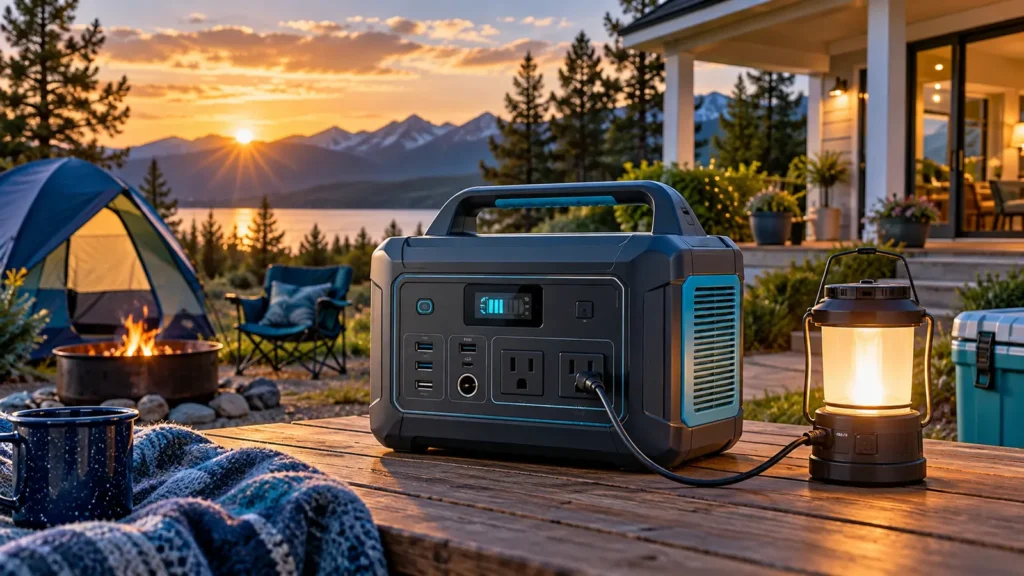
Portable power stations are in high demand for outages, camping, road trips, and remote work. The most important numbers are battery capacity in watt-hours and continuous output in watts—not the number of ports or the largest advertised surge figure.
Quick Picks
| Power station | Best for | Key capability | Shop |
|---|---|---|---|
| Jackery Explorer 300 | Light camping and devices | Compact entry-level station for phones, laptops, lights, and other modest loads | Check Amazon |
| Jackery Explorer 1000 v2 | Best all-around value | 1,070Wh LiFePO4 battery and 1,500W output in a portable size | Check Amazon |
| EcoFlow DELTA 2 | Fast charging and expansion | 1,024Wh capacity, 1,800W output, fast AC charging, and expandable storage | Check Amazon |
| Goal Zero Yeti 1500 | Rugged larger backup | New 2026 model with 1,505Wh LiFePO4 battery, 2,000W inverter, and IPX4 resistance | Check Amazon |
Popular Portable Power Options
 Compact pick
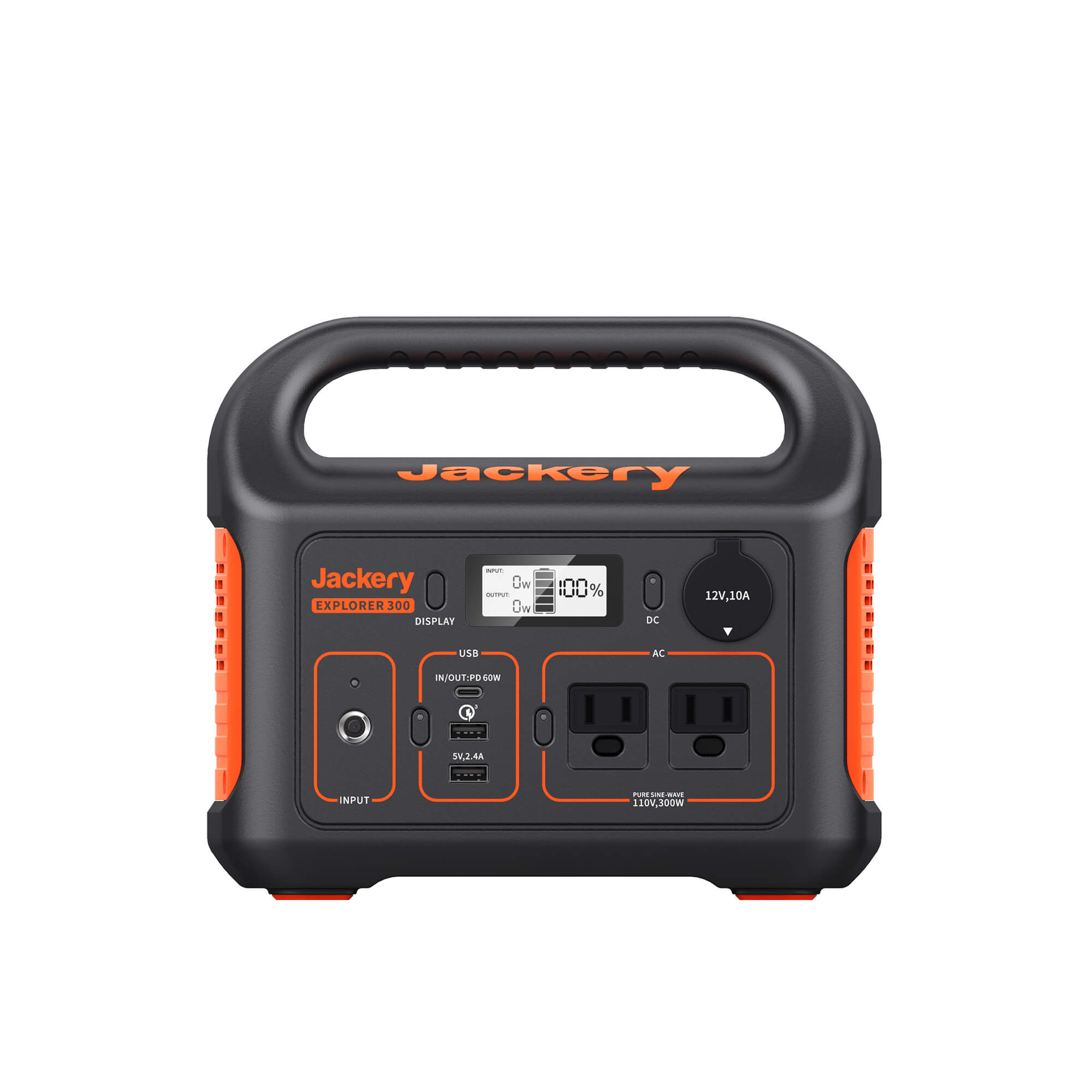
Jackery Explorer 300
A practical starter option for charging small electronics, lights, cameras, and laptops. Its lower capacity keeps it portable, but it is not intended for high-wattage appliances.
See it on Amazon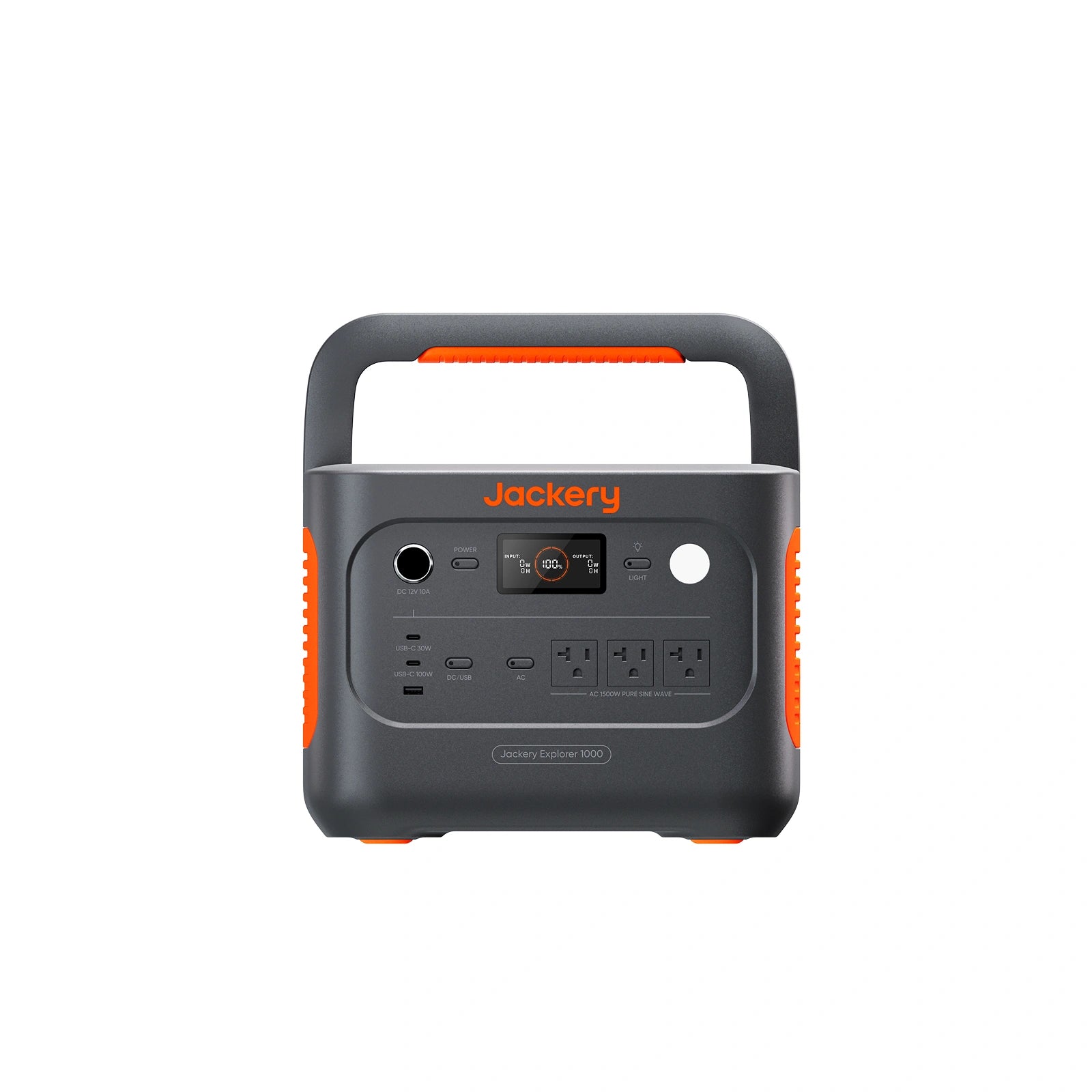 Best all-around
Jackery Explorer 1000 v2
A strong middle ground for camping and emergency backup. Its LiFePO4 battery chemistry, useful capacity, and 1,500W output suit more demanding devices without moving into the heaviest class.
See it on Amazon Fast charging
EcoFlow DELTA 2
A flexible 1,024Wh model with 1,800W output and quick wall charging. It is a good match for buyers who value a broad port selection and the option to add battery capacity later.
See it on Amazon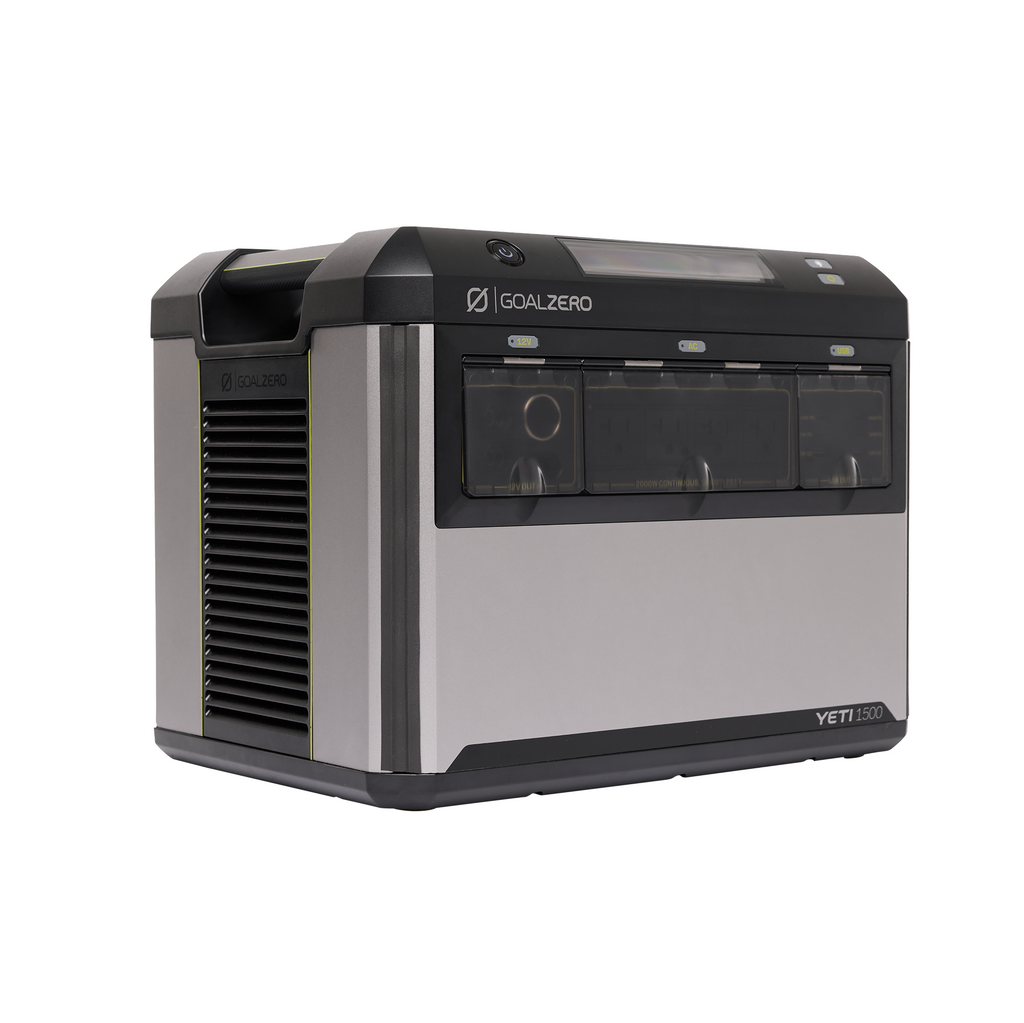 Rugged backup
Goal Zero Yeti 1500
The new 2026 Yeti is built for shoppers who need more capacity, higher output, and weather resistance. It is powerful but considerably heavier and more expensive than compact choices.
See it on AmazonHow Much Power Do You Need?
- List every device: Check the running watts and startup surge for anything you expect to power.
- Estimate runtime: Divide usable battery watt-hours by the device’s watts, then allow for inverter loss and real-world conditions.
- Choose the right outlets: Confirm the number and type of AC, USB-C, USB-A, and 12V ports.
- Plan recharging: Compare wall, vehicle, and solar charging times. Solar performance changes with weather and panel placement.
- Check weight: A high-capacity unit may be portable in name but difficult for one person to carry.
Safety Notes
Follow the manufacturer’s charging, temperature, ventilation, storage, and moisture instructions. Do not exceed the unit’s rated output. A power station cannot safely run every household appliance, and it should not be used as a substitute for professionally installed whole-home backup equipment.
Our Bottom Line
The Jackery Explorer 1000 v2 offers the best balance for many campers and households. Choose the Explorer 300 when portability matters most, the EcoFlow DELTA 2 for fast charging and expansion, or the Goal Zero Yeti 1500 when rugged construction and greater backup capacity justify the extra weight and cost.