
Affiliate disclosure: BestWayPilot may earn a commission when you use links on this page, at no extra cost to you. As an Amazon Associate I earn from qualifying purchases.
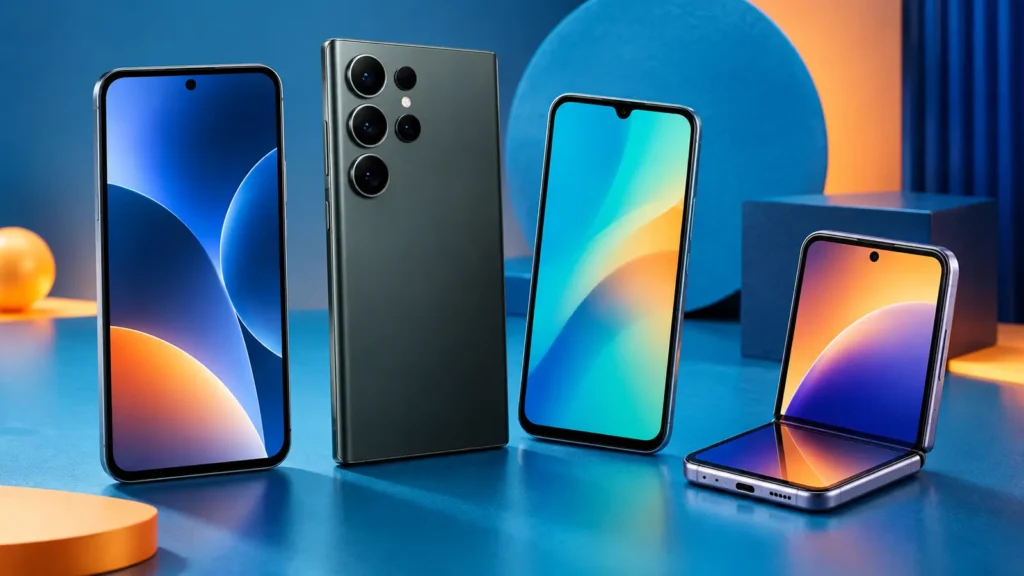
Apple’s iPhone, Samsung Galaxy, and Motorola phones cover most shoppers’ current choices, while LG remains relevant mainly in the used and refurbished market. We compare their software, cameras, customization, value, support, and ecosystems so you can choose with realistic expectations.
iPhone, Samsung, Motorola, and LG at a Glance
Price: Both brands sell phones across different price ranges, although Apple focuses heavily on premium iPhones while Samsung offers a wider variety of Galaxy models from budget to flagship.
Software: iPhone uses Apple’s iOS. Samsung Galaxy phones use Android with Samsung’s One UI.
Customization: Samsung offers considerably more customization. iPhone emphasizes simplicity and consistency.
Cameras: Both offer excellent cameras on their flagship models. The better choice depends on the specific models and the type of photography you prefer.
Ecosystem: iPhone works especially well with other Apple products such as Macs, Apple Watches, AirPods, and iPads. Samsung integrates well with Galaxy devices and the broader Android/Windows ecosystem.
Best for Simplicity: iPhone.
Best for Customization: Samsung Galaxy.
Best Overall: We’ll decide after comparing the major differences below.
1. Price & Value
Both Apple and Samsung offer premium flagship phones, but Samsung provides a wider range of prices across the Galaxy lineup, including more affordable models. Apple offers several iPhone models and older generations at different price points, but its lineup is generally more concentrated toward the premium end. The best value depends on the exact models you’re comparing, available promotions, trade-in offers, and how long you plan to keep the phone.
2. Software & Ease of Use
iPhone uses Apple’s iOS, which is known for its consistent interface, straightforward setup, and close integration with other Apple devices. Samsung Galaxy uses Android with Samsung’s One UI, giving users more control over how their phone looks and operates. iPhone may be better for someone who wants simplicity and consistency, while Samsung is especially appealing to users who enjoy customization and additional control.
3. Cameras & Photography
Both iPhone and Samsung Galaxy flagship phones offer excellent cameras, but they often prioritize different strengths. iPhone is known for consistent photos and strong video performance, while Samsung’s premium Galaxy models often emphasize versatile camera systems, powerful zoom capabilities, and extensive shooting options. Camera quality varies by model, so shoppers comparing two specific phones should look at those models directly rather than judging the brands as a whole.
4. Battery Life & Charging
Battery life varies significantly by model, screen size, settings, and how you use the phone. Both Apple and Samsung offer models capable of lasting through a typical day for many users. Samsung provides a wider variety of battery sizes and charging features across its Galaxy lineup, while Apple tightly integrates iPhone hardware and iOS to optimize efficiency. For battery life, it’s best to compare the specific iPhone and Galaxy models you’re considering.
5. Design & Displays
Both brands offer premium designs and high-quality displays on their flagship phones. iPhone generally emphasizes a consistent, minimalist design, while Samsung offers a broader variety of screen sizes, form factors, and designs—including its foldable Galaxy models. Both companies offer excellent displays on their higher-end phones, so this category often comes down to personal preference and the specific models being compared.
6. Apple vs Samsung Ecosystem
iPhone has a major advantage for people who already use other Apple products. Features across Mac, Apple Watch, AirPods, and iPad are designed to work closely together. Samsung also offers a strong Galaxy ecosystem—including watches, tablets, earbuds, and computers—and Android provides flexibility with devices and services from many different companies. If you already own several Apple or Samsung products, staying within that ecosystem can make your decision much easier.
7. Updates, Longevity & Resale Value
Both Apple and Samsung provide long-term software support for many of their newer premium phones, making either brand a solid choice for people who keep their devices for several years. iPhones have historically maintained strong resale value, while Samsung has significantly expanded its software-update commitments on newer Galaxy models. Longevity ultimately depends on the specific model, battery condition, and how well the phone is maintained.
8. iPhone vs Samsung Galaxy: Which Is Better?
Choose iPhone if you want a simple, consistent experience, strong integration with other Apple products, excellent video capabilities, and a phone that tends to hold its resale value well.
Choose Samsung Galaxy if you want more customization, a wider selection of phones and price points, flexible Android features, and options such as advanced zoom or foldable designs.
BestWayPilot Verdict: There’s no single winner for everyone. iPhone is our pick for simplicity and the Apple ecosystem, while Samsung Galaxy is our pick for customization, variety, and flexibility. Your best choice depends on your budget, the devices you already own, and which features matter most to you.
Where Motorola and LG Fit
Motorola is a strong Android alternative for shoppers who want straightforward software, competitive pricing, long battery life, or a folding-phone option. Its Moto G family typically targets value buyers, while Edge and Razr phones serve shoppers looking for more premium features. Availability, update policies, cameras, and wireless-band support vary by model, so compare the exact phone before buying.
LG is now a legacy smartphone choice. LG closed its mobile-phone business in 2021, so LG phones sold today are generally used, renewed, refurbished, or remaining old stock rather than current-generation models. An LG phone may still be inexpensive, but buyers should carefully check battery condition, carrier compatibility, security-update status, warranty coverage, and the seller’s return policy.



iPhone vs Samsung vs Motorola vs LG
| Brand | Best for | Buying reality | Shop |
|---|---|---|---|
| Apple iPhone | Simple setup, video, resale value, and Apple-device integration | Focused lineup with strong ecosystem benefits | See iPhone 16e on Amazon |
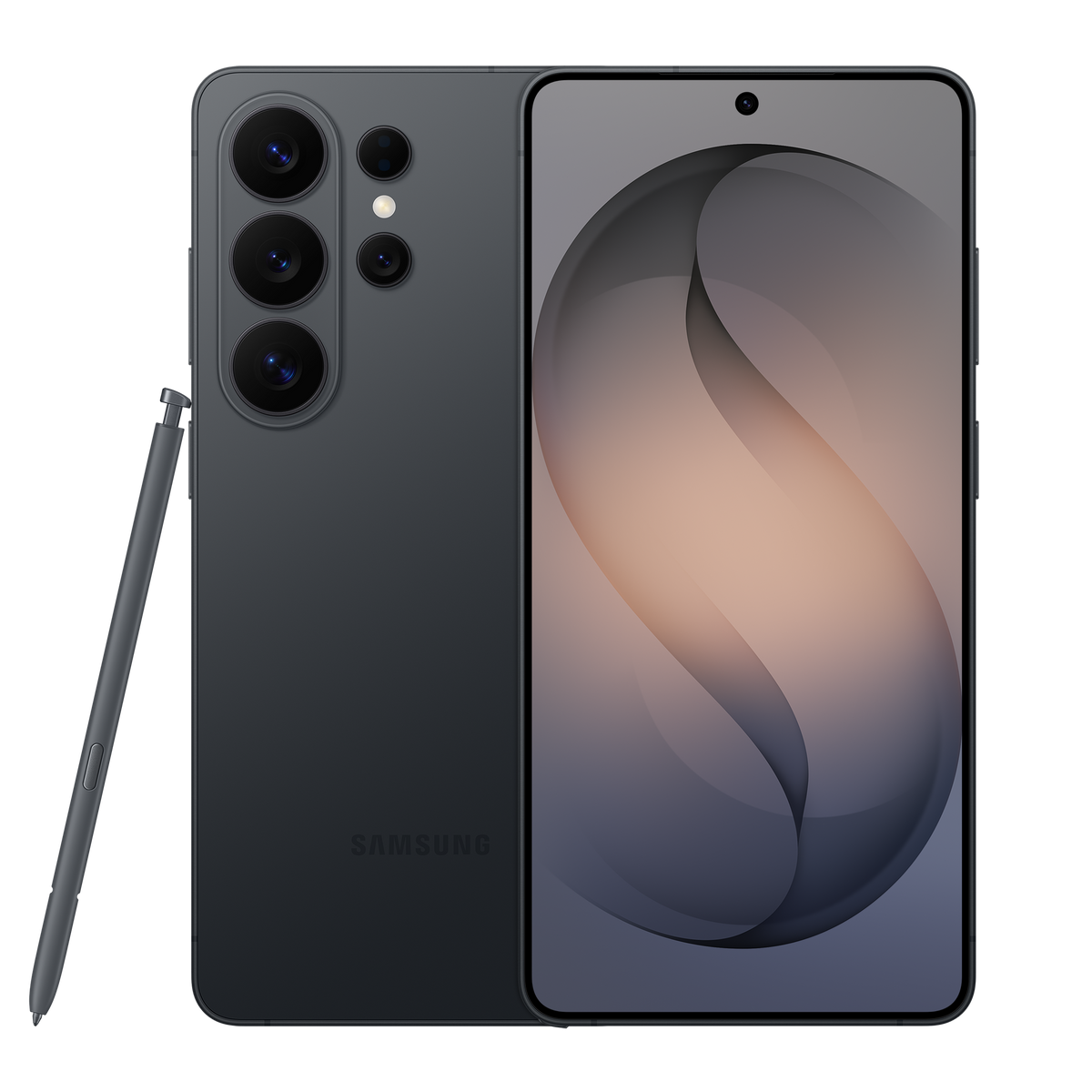
| Samsung Galaxy | Choice, customization, camera variety, and foldables | Broad selection from value models to premium flagships | See Galaxy S26 Ultra on Amazon |
| Motorola | Value-focused Android phones, battery life, and Razr-style foldables | Compare the exact model’s update policy, camera, storage, and carrier bands | See Moto G Stylus 2026 on Amazon |
| LG | Low-cost used or refurbished shopping | No new LG phone line; verify age, battery, updates, warranty, and return window | See LG Velvet 5G on Amazon |
Our Four-Brand Recommendation
Choose iPhone for simplicity and the Apple ecosystem. Choose Samsung for the widest Android selection and advanced premium options. Choose Motorola when value, battery life, or a competitively priced foldable matters most. Consider LG only as a carefully inspected used or refurbished bargain—not as a current platform for long-term software support.
Popular Amazon phone options to compare
| Option | Best for | Shopping note |
|---|---|---|
| Samsung Galaxy S26 Ultra | Premium Android shoppers | Verify US warranty, storage, and seller |
| Samsung Galaxy A16 5G | Budget-conscious Android shoppers | Confirm carrier compatibility |
| Apple iPhone 16e, unlocked or renewed | Value-focused iPhone shoppers | Check condition and battery-health policy |
| Apple iPhone 14, unlocked or renewed | Lower-cost iPhone entry | Check storage, lock status, and return window |
Important: Amazon phone listings may be new, renewed, carrier-locked, or international variants. Confirm the exact condition, carrier compatibility, warranty, storage, and seller before ordering.
Affiliate Disclosure: BestWayPilot may earn a commission when you purchase through links on this page, at no additional cost to you. Our comparisons and recommendations are based on our independent evaluation of the options.